Bathroom ware
A buyer’s guide to the Foshan–Zhongshan lighting cluster, the specifications that decide performance, the certificates that decide market access, and the QC that separates a sample from a shipment.
 Field guide No. 04
Foshan is a convenient label for a lighting ecosystem that spills across city boundaries. The factories, showrooms and component suppliers a buyer needs are spread between Foshan’s Nanhai and Shunde districts and the Guzhen–Henglan lighting belt in neighbouring Zhongshan.
That matters because a showroom address does not tell you where the driver, heat sink or diffuser was made. This guide treats lighting as an engineered product: first the cluster, then the product category, then the specification and compliance file, and only then the price.
Greater Foshan is not one lighting market. It is a set of specialised districts, each with a different mix of factories, trading companies and component suppliers. Knowing which district a product comes from tells you more than the showroom’s postcode.
| Area | What buyers find there | Best used for |
|---|---|---|
| Guzhen, Zhongshan | China’s largest lighting wholesale and showroom cluster; decorative, commercial and component suppliers | Product discovery, decorative and hotel lighting |
| Henglan, Zhongshan | Lighting factories and component suppliers around the Guzhen trade area | Factory visits and custom production |
| Nanhai, Foshan | Aluminium, hardware and industrial suppliers; lighting factories serving commercial projects | Architectural and contract lighting |
| Shunde, Foshan | Furniture and building-material ecosystem with lighting traders and project suppliers | Coordinated furniture and lighting packages |
Guzhen is useful for seeing the market quickly, but the showroom is not the factory. Ask for the production address, then visit or audit the site that will actually make your order. Many trading companies display in Guzhen and sub-contract to factories in Henglan, Jiangmen or further afield.
“The showroom tells you what is possible. The factory address tells you who is accountable when the second batch is different.”
Lighting is a broad category, and a supplier that is excellent at one product family is not automatically right for another. Separate the brief by function before comparing factories.
| Category | Typical use | What drives the specification |
|---|---|---|
| LED panels & linear lights | Offices, retail, commercial ceilings | Lumen output, uniformity, glare control, driver quality |
| Downlights & spotlights | Hospitality, residential, galleries | Beam angle, CRI, cut-out size, dimming protocol |
| Track & magnetic systems | Retail, showrooms, flexible displays | Adapter compatibility, circuit load, dimming |
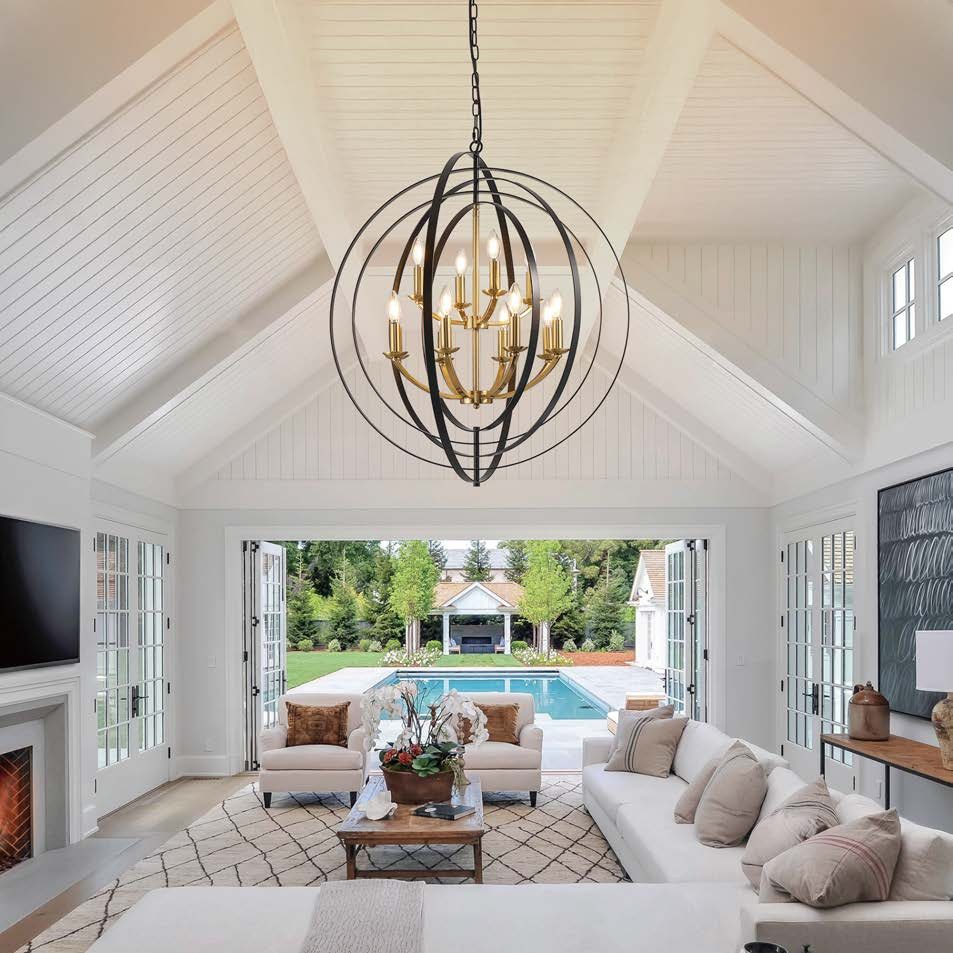
| Pendants & chandeliers | Hotels, villas, restaurants | Scale, finish, suspension, ceiling load, installation |
| Outdoor & facade | Landscape, street, architectural lighting | IP rating, surge protection, corrosion resistance |
| Smart & emergency | Commercial controls, egress lighting | Protocol compatibility, battery duration, compliance |
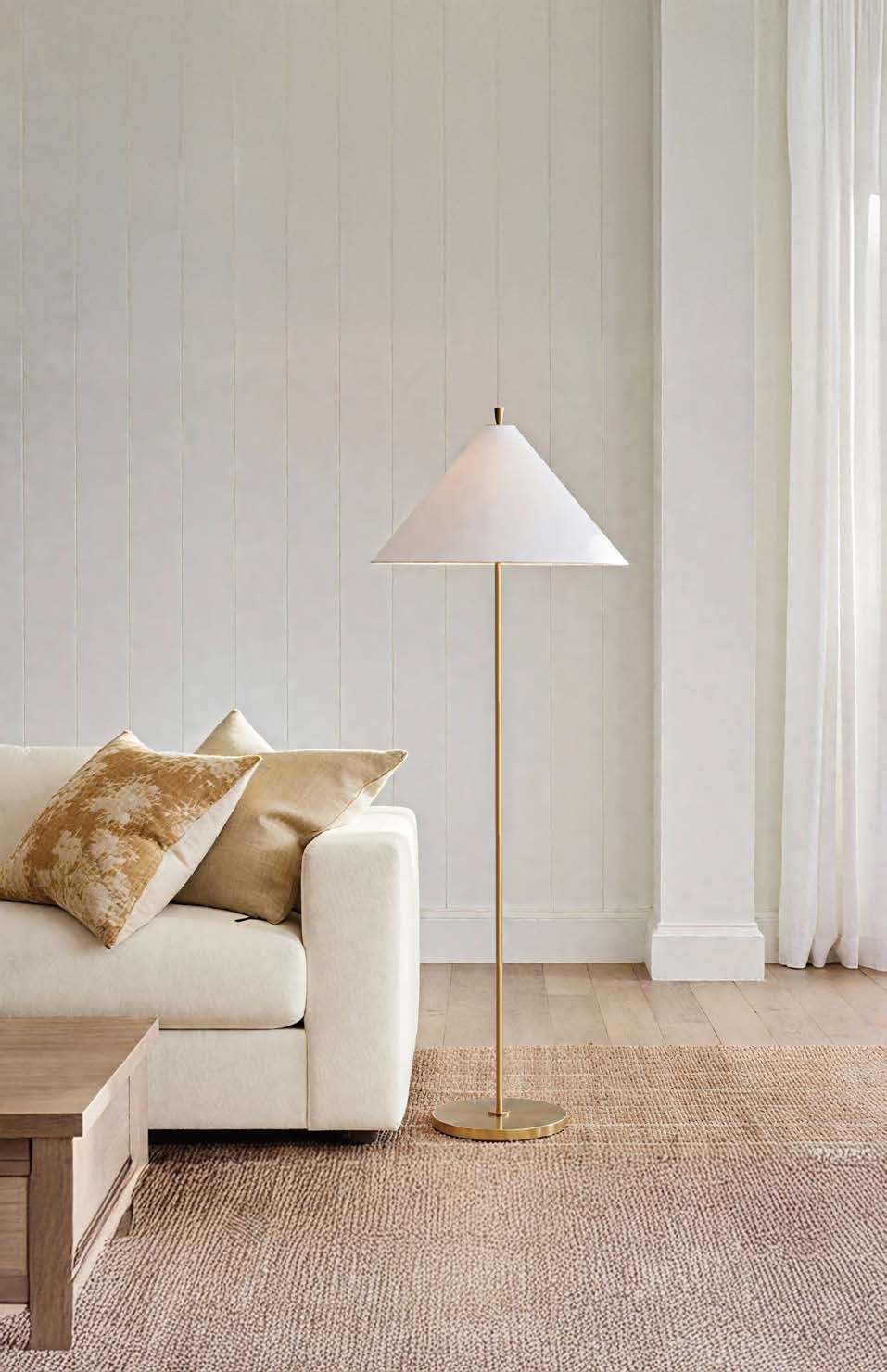
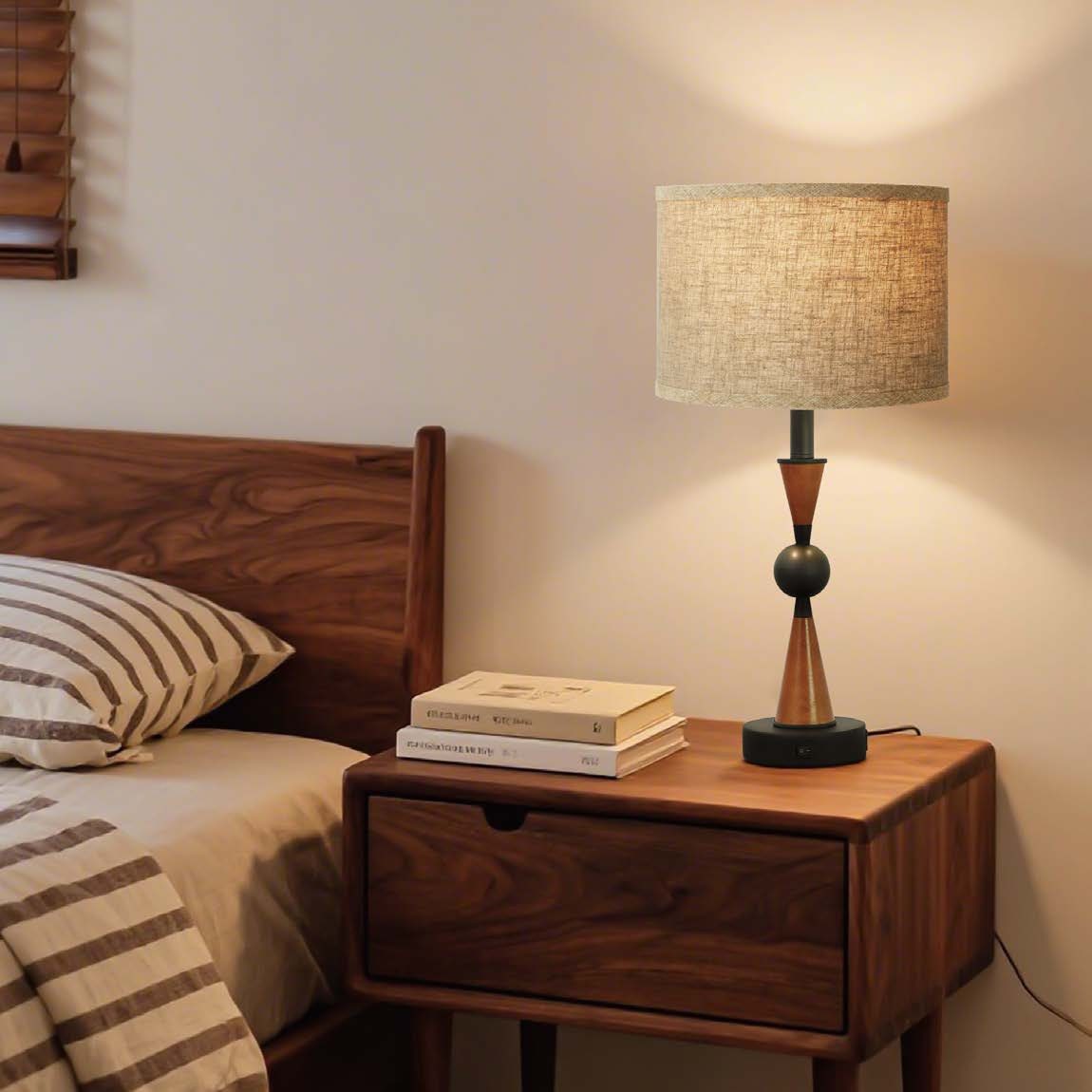
“10W LED downlight” is not a specification. At minimum, issue a sheet that fixes the performance and the physical interface for every SKU in the order.
| Parameter | What to specify | Why it matters |
|---|---|---|
| Lumen output | Delivered lumens, not just chip lumens | Compares real light output across factories |
| Efficacy | lm/W at rated conditions | Drives energy use and heat |
| CRI | Ra ≥ 80 standard; ≥ 90 for hospitality and retail | Colour fidelity of people, materials and merchandise |
| CCT | 2700K / 3000K / 3500K / 4000K, with tolerance | Consistency across batches and rooms |
| Beam angle | Narrow, medium or wide; exact degrees | Light distribution and glare |
| Dimming | Triac, 0–10V, DALI or wireless protocol | Compatibility with the specified control system |
| Driver | Brand, wattage, input range, flicker performance | The most common failure point in cheap fixtures |
| IP rating | IP20 indoor; IP65+ for wet or outdoor locations | Moisture and dust protection |
Ask for a photometric file (IES or LDT) for architectural products, not just a catalogue beam-angle illustration. If the file does not exist, the “beam angle” is a marketing number, not a design input.
A fixture that is legal in one market may not be legal in another. The factory’s CE certificate does not automatically make a product suitable for Australia, the United States or the Middle East.
| Market | Typical requirements to confirm | Evidence to request |
|---|---|---|
| European Union | CE marking, EMC, LVD, RoHS; ErP where applicable | EU declaration of conformity and test reports |
| United States | UL or ETL listing for the relevant product category; FCC for wireless | Listing certificate and report for the exact model |
| Australia / New Zealand | Electrical safety compliance and RCM where applicable; EESS registration for in-scope products | Certificate, report and RCM supplier declaration |
| Middle East | Country-specific SASO, ESMA or municipal approvals | Certificate of conformity and test reports |
Match the certificate to the exact model and voltage variant you are buying. A certificate for a 220–240V fixture does not cover a 120V version, and a listing for one family does not automatically cover a new driver or LED board.
Foshan factories are strong at custom decorative and architectural fixtures for hotels, restaurants and branded interiors. The process is usually a design review, material and finish selection, a prototype, approval and then bulk production.
Lighting QC is not a visual check of the housing. The tests that matter are electrical, photometric and thermal, and they should be done on production units, not only the golden sample.
For a hotel or retail roll-out, inspect a sample from each production batch and each finish. A single approved prototype does not prove that batch 3 has the same CCT, driver or glass tint.
Lighting price ranges are wide because the bill of materials is wide. A basic LED panel and a premium architectural downlight may look similar in a photo but share almost no components.
| Product | Indicative factory price band | What changes the price |
|---|---|---|
| Standard LED panel | Low unit cost; volume-driven | Driver brand, diffuser, lumen output, frame quality |
| Architectural downlight | Mid to upper range | Optics, CRI, dimming, thermal design, trim finish |
| Decorative pendant / chandelier | Quoted per piece | Size, materials, glass, labour, packing and ceiling fixing |
| Custom hotel fixture | Quoted after design review | Prototype, tooling, finish, certification and spare parts |
Start with a small production run or a mixed sample order before committing to a full container. Confirm the driver and LED part numbers in writing, and ask what happens if a batch fails the photometric check after arrival.
If lighting is part of a larger furniture or building-materials order, consolidate it with the other suppliers at a Foshan warehouse and inspect the packed cartons against the lighting schedule before loading.
Guzhen is in Zhongshan, immediately south of Foshan. In trade usage, “Foshan lighting” often includes the Guzhen–Henglan cluster because buyers visit both in one trip. Confirm the factory’s actual production address before you audit or place an order.
For guest rooms and public areas, specify Ra ≥ 90 where colour rendering matters, and keep the CCT consistent across the project. For back-of-house or utility areas, Ra ≥ 80 may be sufficient; confirm with the lighting designer.
Market-access requirements depend on the product and the destination. For the US, UL or ETL listing is commonly required for luminaires; for the EU, CE marking with EMC and LVD compliance. Confirm the exact requirement with your importer or compliance adviser.
Some factories accept small custom runs, but tooling, prototyping and finishing setup usually make low volumes expensive. Ask for a prototype quote with tooling separated from the unit price, then compare the total landed cost.
The driver and thermal design are usually the weak points, not the LED chip. Ask for the driver brand and model, check the thermal test, and insist on a photometric report for the finished fixture rather than a bare LED datasheet.
Yes. We check the electrical safety, photometric performance, finish, dimensions, labels and packing against the approved specification, and document the inspection with photos and a written report.
Send the fixture schedule, drawings and destination. We will help check the specification, compare Foshan factories and plan the inspection before the cartons are packed.