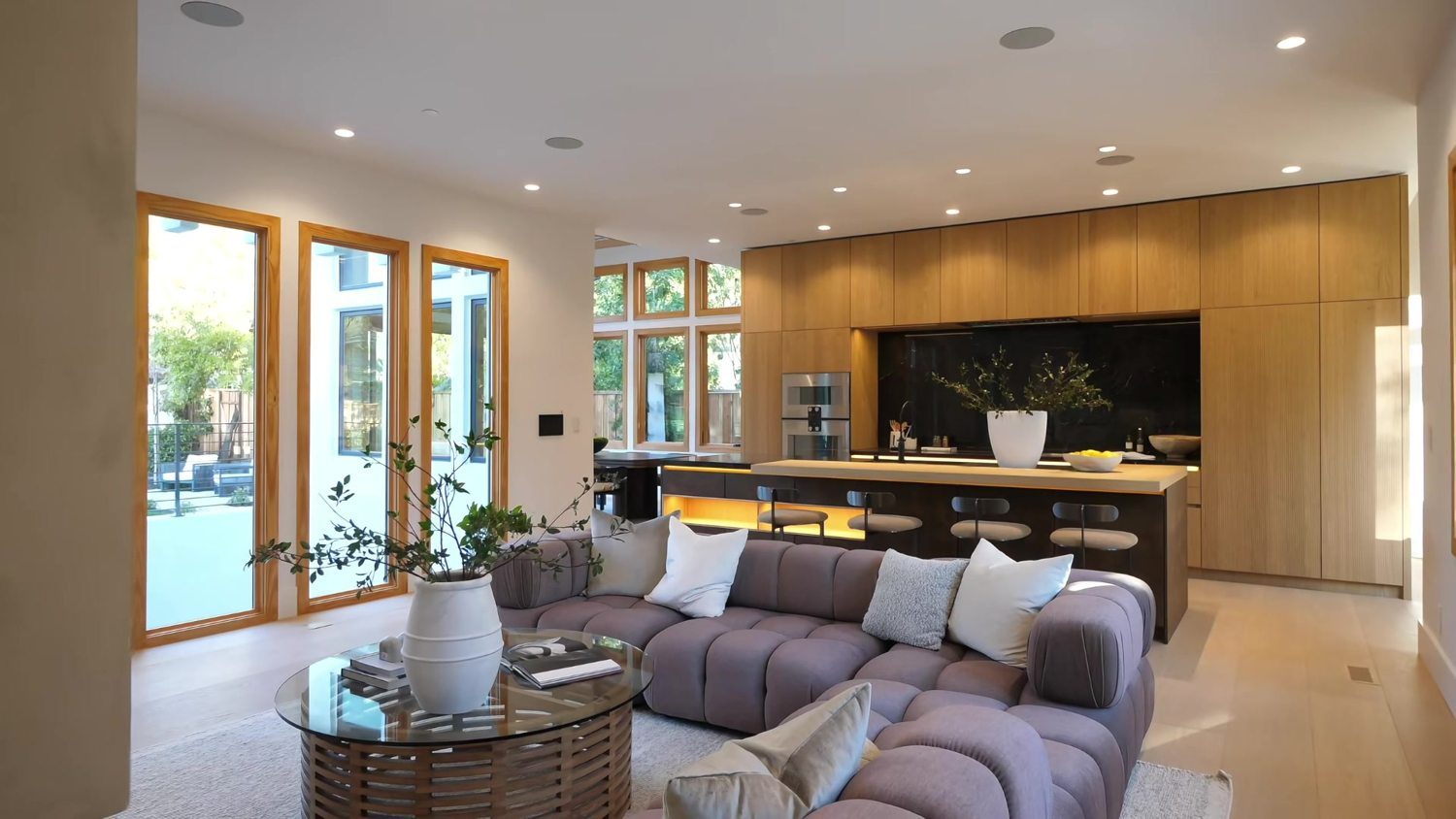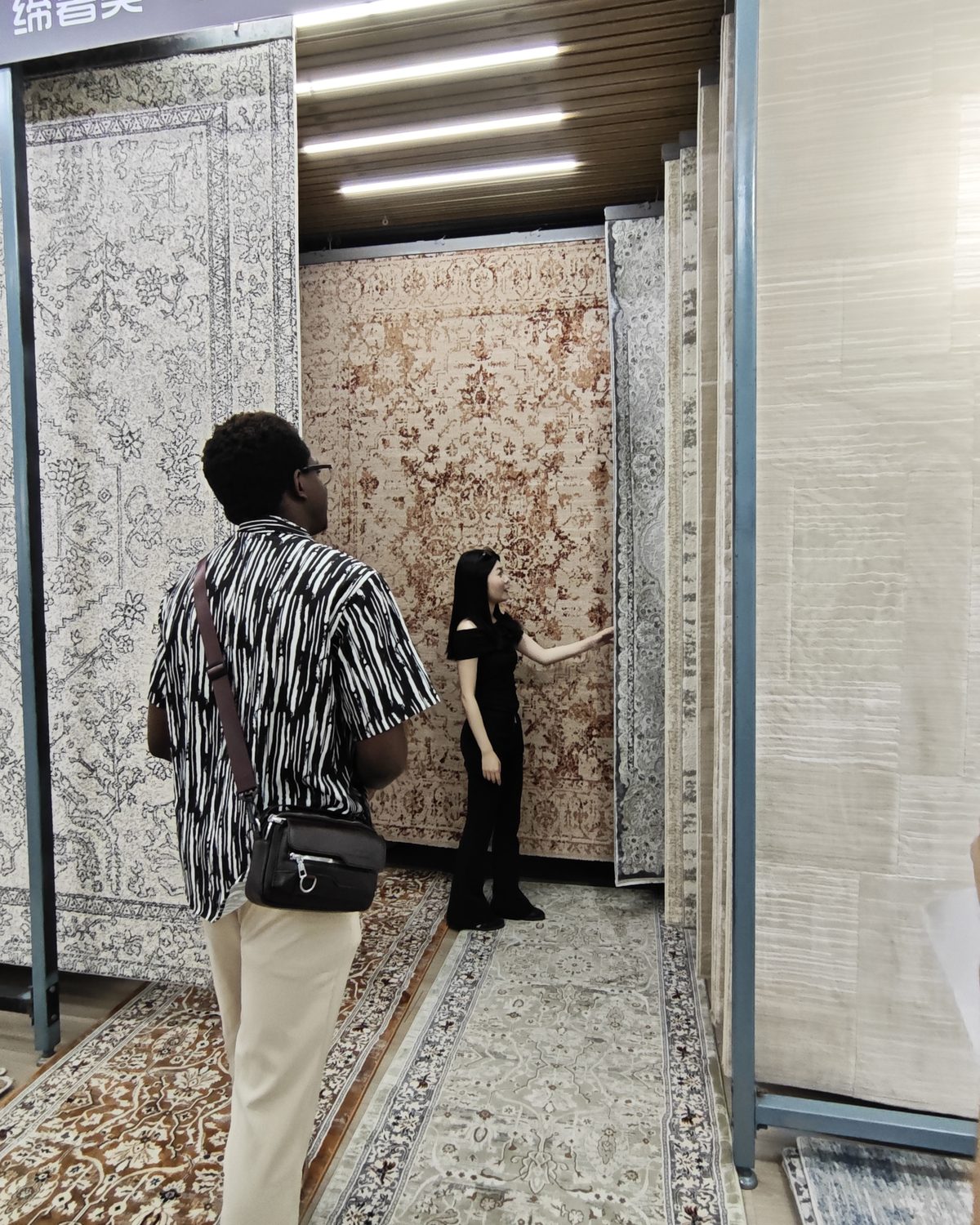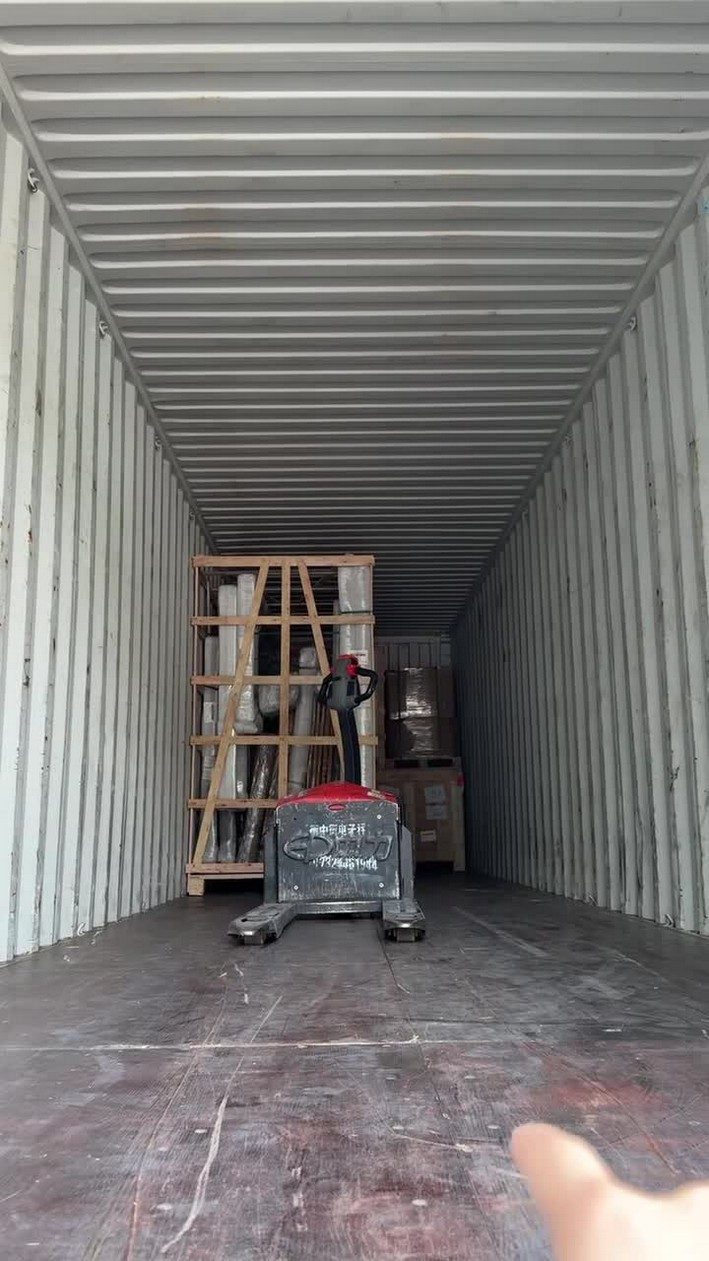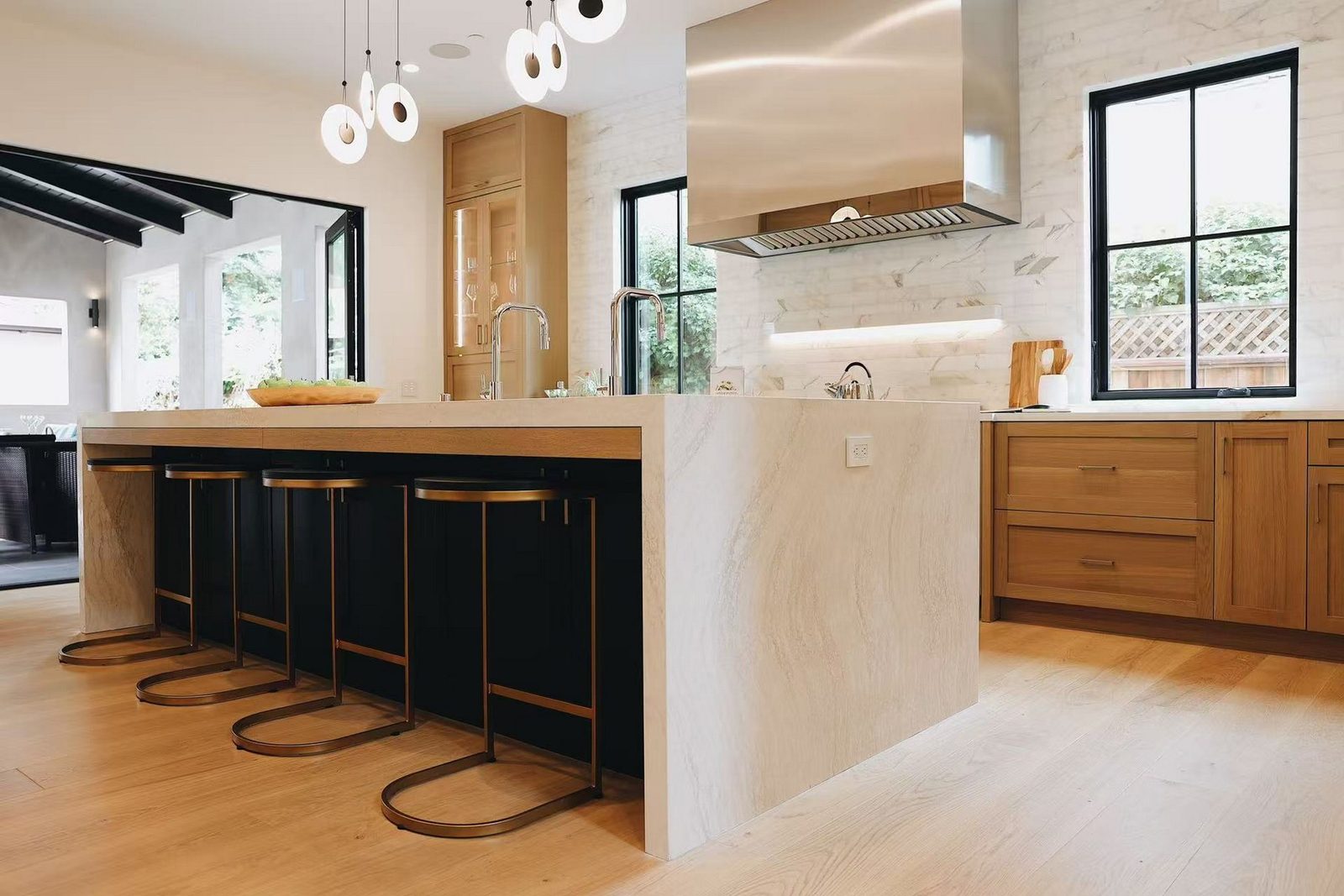
Most Australian homeowners who ask us about a kitchen in China end up asking about the wardrobes too. That is usually the right instinct: both are made from the same boards, on the same machines, in the same Foshan factories — and both are cleared through Australian customs under the same rules.
Key points
- Wooden kitchen and bedroom furniture generally attracts 5% duty; ChAFTA can reduce it to zero with a valid Certificate of Origin.
- GST of 10% applies at the border to consignments over AUD 1,000, calculated on goods, duty, freight and insurance.
- Engineered stone benchtops are banned in Australia. Do not include them in a new kitchen specification.
- Solid-wood packaging must meet ISPM 15 and Australian biosecurity requirements.
- Specify one board, one finish and one hardware range for both rooms, in writing, before production.
- Allow roughly four months from final measure to installation; this is a planning estimate, not a guarantee.
Why order the kitchen and wardrobes together
Foshan’s cabinetry factories usually cut, edge and drill kitchens, wardrobes, vanities and TV units on the same CNC lines. A wardrobe is, in production terms, a taller cabinet with different internals. Ordering both rooms together has practical benefits that go beyond a lower unit price.
- One finish. Doors cut from the same board batch, or sprayed in the same 2-pac run, match in colour and texture. Two suppliers using the same colour name rarely match as closely.
- One set of drawings. Bulkhead heights, ceiling lines, door clearances and skirting details are resolved once for the whole joinery package.
- Shared fixed costs. Customs brokerage, biosecurity, port charges and delivery are largely fixed per shipment, so a fuller container spreads them across more joinery.
- One inspection. A pre-shipment inspection costs about the same whether it covers a kitchen or a kitchen plus six wardrobes.
When importing makes sense — and when it does not
Importing is not the right answer for every renovation. It usually works well when the layout is settled, the drawings can be signed off, several rooms are being ordered together, and you can plan four to five months ahead. Your builder or installer also needs to be ready to receive, store and fit the joinery.
A local supplier is often the better choice for a single small kitchen on a tight deadline, a layout that is still changing, or a project where one company must measure, supply, install and warrant everything. Get two or three local quotes before comparing an imported price with a local one.
Australian import rules to plan for
Kitchen cabinets and wardrobes are furniture, not construction materials, but they still pass through the same border process. Three rules matter most for a combined order:
- Duty and ChAFTA. Wooden kitchen furniture is generally classified under tariff 9403.40.00 and wooden bedroom furniture under 9403.50.00, both with a 5% general rate. Goods that qualify under ChAFTA may enter duty-free with a valid Certificate of Origin from the factory or exporter.
- GST. A 10% GST applies at the border to consignments valued over AUD 1,000. It is calculated on the customs value plus duty, freight and insurance, so build it into the landed cost from the start.
- Engineered stone. Engineered stone benchtops have been banned in Australia since 1 July 2024, with import prohibitions following from 1 January 2025. Do not specify engineered stone for a new kitchen; choose a permitted natural stone, porcelain or other compliant surface.
Solid-wood crates, pallets and dunnage must meet ISPM 15 and Australian biosecurity conditions. Ask the factory to use compliant packaging and retain the treatment evidence.
Specify boards, finishes and hardware once
The cheapest way to create a problem is to let two suppliers interpret the same drawing differently. Write one specification and issue it to every supplier quoting the package:
- Board type and thickness: moisture-resistant particleboard, plywood or solid timber; carcass and shelf thickness.
- Finish: melamine, veneer, 2-pac or PET; colour code, sheen level and edge-banding method.
- Hardware: hinge and drawer-runner brand, load rating, soft-close, handles and internal fittings.
- Door style: profile, finger pull, handle position, glass or mirror inserts.
- Moisture protection: edge sealing, backing panels and plinth details for wet areas.
- Approval: a physical sample or signed colour chip before bulk production.
Kitchen-specific decisions
Start with the working triangle and appliance schedule, not the door colour. Confirm the cooktop, oven, rangehood, sink, dishwasher and fridge models and their cut-out dimensions. Decide the benchtop material and edge profile, splashback, upstand, kickboard and shadow-line details. If the island has a waterfall end, confirm the slab size and joinery support before the cabinet is made.
Ask how the factory handles service voids, adjustable feet, drawer alignment and tolerance at the wall. A kitchen that is 5 mm out can be corrected on site; a kitchen that was never designed for the actual ceiling height cannot.
Wardrobe-specific decisions
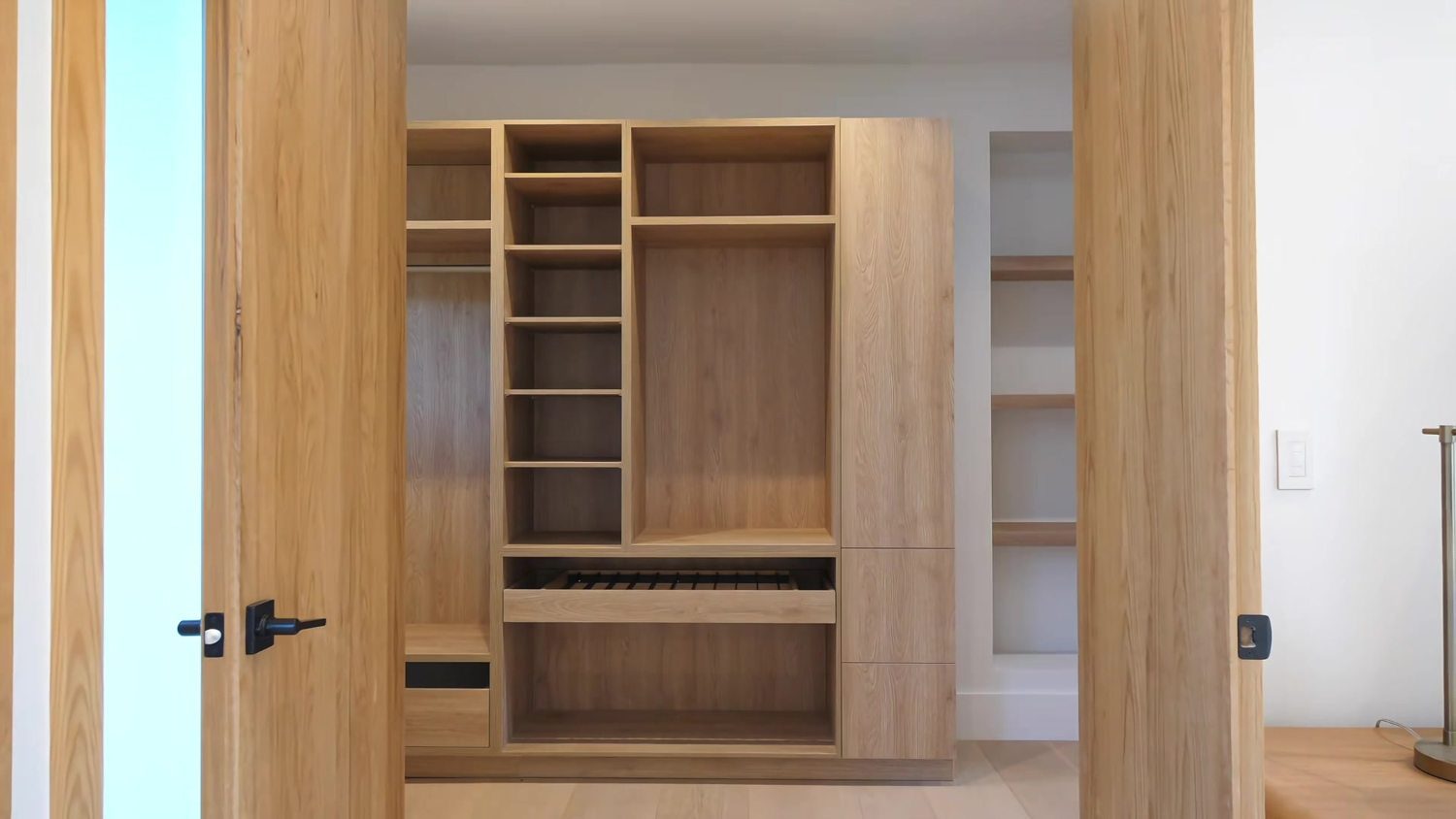
For wardrobes, settle the door type first: hinged, sliding, walk-in or open. Each changes the carcass depth, ceiling clearance and internal layout. Confirm hanging heights, shelf spacing, drawer counts, shoe storage, mirror placement and whether LED lighting is factory-fitted or site-fitted.
Sliding doors need a top track and sufficient clearance; hinged doors need room to open. If the wardrobe runs to the ceiling, measure the bulkhead and confirm who supplies the filler panels.
Measurements and drawings
Final measurement should happen after plaster, flooring and ceiling finishes are in place. Site dimensions, not architect’s dimensions, drive production. Mark the positions of power points, switches, plumbing and any structural beams. Ask the factory to provide elevation drawings with every cabinet, filler and appliance cut-out dimensioned, then sign them off before the deposit is paid.
Flat-pack or assembled?
Flat-pack carcasses save shipping volume and are easier to move upstairs, but they need careful packing and a competent installer. Assembled cabinets reduce site labour but consume more container space and are more exposed to handling damage. For a whole-house order, a mix is common: flat-pack carcasses, assembled drawer boxes and protected doors.
A landed-cost example
The numbers below are illustrative only; get current freight and customs quotes for your project.
| Cost line | What it covers |
|---|---|
| Joinery FOB | Cabinets, doors, panels, hardware and factory packing at the port. |
| Freight and insurance | FCL or LCL to the destination port, plus marine insurance. |
| Duty and GST | 5% general duty unless ChAFTA applies, plus 10% GST on the landed value. |
| Broker and port charges | Import declaration, terminal handling, biosecurity and delivery order. |
| Inspection and installation | Pre-shipment QC, local delivery, site assembly and fit-off. |
Compare the total landed cost with a local supply-and-install quote, not with a factory unit price. The gap is usually smaller than the headline saving suggests, and the schedule risk is higher.
QC, shipping and timeline
- Design and deposit. Approve drawings, finishes and hardware; pay the production deposit.
- Production. Factory cuts, edges and assembles carcasses; check progress photos against the approved samples.
- Pre-shipment inspection. Measure, check finishes and hardware, confirm packing and photograph every carton.
- Consolidation and shipping. Book FCL or LCL, prepare documents and confirm biosecurity treatment.
- Clearance and delivery. Broker clears the shipment, then the installer receives and fits the joinery.
Allow roughly four months from final measure to installation. Delays usually come from late appliance dimensions, unfinished site measurements or a container that is booked before the inspection is signed off.
Common mistakes
- Ordering kitchen and wardrobes from different factories without a shared finish standard.
- Using architect’s dimensions instead of a final site measure.
- Forgetting appliance cut-outs, service voids or bulkhead heights.
- Specifying engineered stone after the import ban.
- Booking freight before the QC report and packing photos are approved.
Frequently asked questions
Yes. Combining them usually improves finish matching and spreads fixed shipping and clearance costs across more joinery.
Goods that meet the ChAFTA rules of origin may enter duty-free with a valid Certificate of Origin. Confirm the classification and origin evidence with your customs broker before ordering.
No. Engineered stone benchtops are banned in Australia and have been prohibited imports since 1 January 2025. Choose a permitted natural stone, porcelain or other compliant surface.
Plan for about four months from final measure to installation. Production, inspection, sea freight and clearance all take time, and the schedule should be confirmed in writing.
Yes. We check dimensions, board and finish samples, hardware, door alignment, packing and labels against the approved specification, and document the inspection with photos and a written report.
Sources and further reading
- Australian Border Force — importing goods (import declarations, duty, GST and border charges).
- DFAT — China–Australia Free Trade Agreement (ChAFTA) (rules of origin and Certificate of Origin).
- Australian Taxation Office — GST (GST on imported goods and taxable importations).
- Safe Work Australia — engineered stone (ban and import prohibition).
- IPPC — ISPM 15 (treatment of solid-wood packaging material).
- DAFF BICON (Australian biosecurity import conditions).
This guide is general information, not legal, customs or installation advice. Tariffs, biosecurity rules and product regulations change; confirm current requirements with your customs broker, certifier and installer before ordering.
Planning a kitchen, wardrobes or a whole-house joinery package?
Send your drawings, appliance schedule and destination. We will help you turn them into a comparable factory brief and a realistic landed-cost plan.